Pros
- Exceptional real-world output often exceeding 90W per panel
- Well-constructed with premium materials for off-grid reliability
- Compact size simplifies installation on RVs and marine setups
- High compatibility with charge controllers and batteries
- Proven performance in series/parallel configurations
Cons
- Requires separate purchase of charge controller, wiring, and mounts
- Output varies with weather, rarely hitting full 100W continuously
- Installation can take a full day for beginners
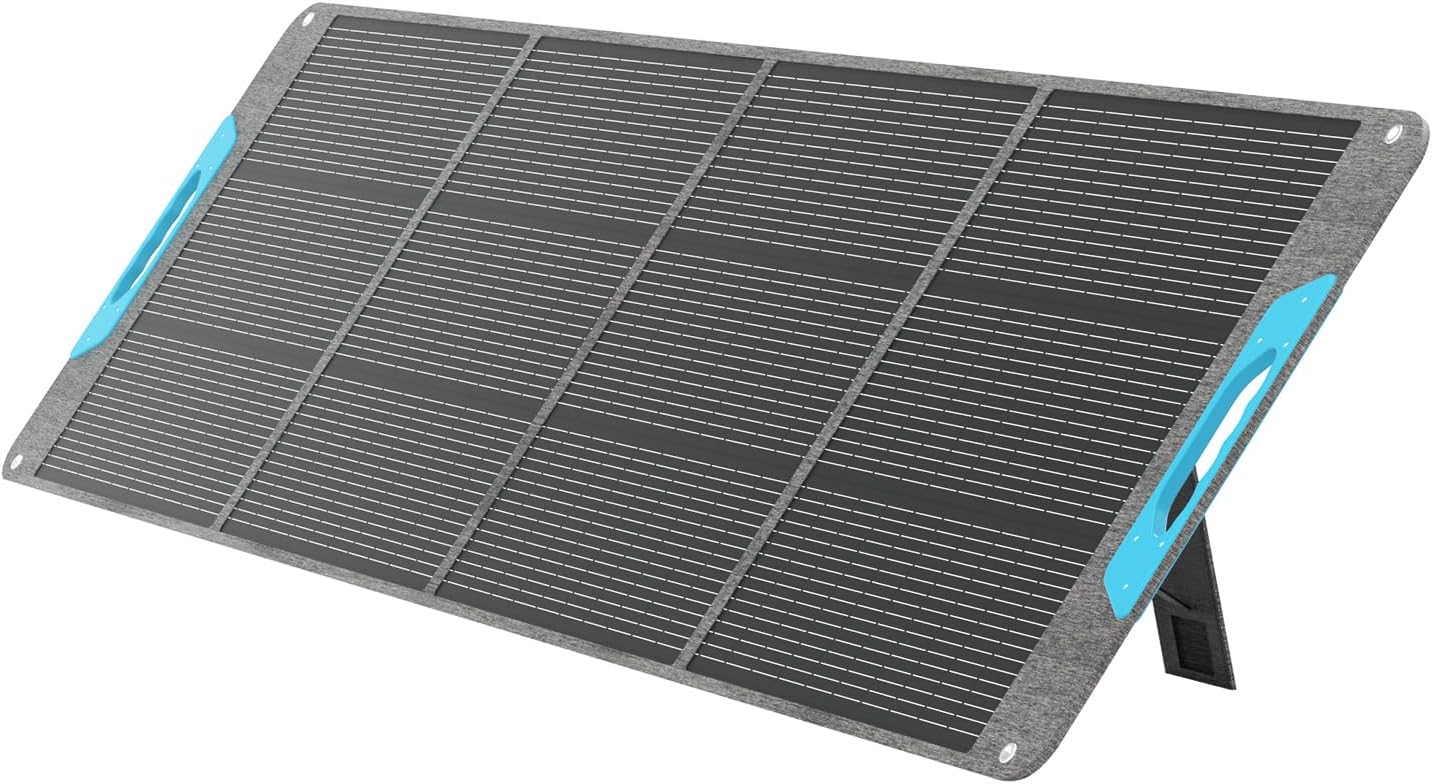
Renogy's 2-pack of 100W 12V monocrystalline solar panels is designed for off-grid power needs in RVs, marine vessels, rooftops, farms, and battery systems. These panels suit campers, boaters, and remote homesteaders seeking reliable solar charging without grid dependency.
Standout features include 25% cell efficiency from A+ grade n-type cells, delivering up to 20W more than standard panels, and 16BB technology that boosts conversion while preventing microcracks and hot spots. Users report 89-95W output in full sun, with excellent recovery on cloudy days when wired in series or parallel. The low -0.29%/°C temperature coefficient maintains strong performance in heat.
Build quality shines with a thicker aluminum alloy frame, low-iron tempered glass, and IP65 rating for weather resistance. At 11% smaller and 8% lighter than predecessors, they install compactly, though users note needing extra brackets and controllers. Durability holds up in harsh conditions, from winter trips to year-round off-grid use.
Drawbacks include the need for additional accessories and variable output from shading or dirt. Overall, these panels offer superior value and efficiency for expanding solar setups.
Verdict: Highly recommended for anyone building or upgrading off-grid systems; their power, compactness, and toughness make them a top choice.
Max Power: 100W per panel
Cell Efficiency: 25%
Open Circuit Voltage: 22.79V
Short Circuit Current: 5.31A
Dimensions: 34.1 x 22.8 x 1.2 inches
Weight: 13 lbs per panel
Operating Temperature: -40°F to 194°F
Warranty: 5-year material and workmanship
For off-grid vs on-grid: Choose these for standalone systems storing power in batteries, not grid-tied setups.
Series vs parallel: Series adds voltage for MPPT controllers; parallel boosts current. Match to your controller specs.
Panel needs: Calculate daily watt-hours, battery capacity, then size panels accordingly.
12V rating means compatibility with 12V batteries, not exact panel voltage.
Clean panels regularly and avoid shading for peak performance.